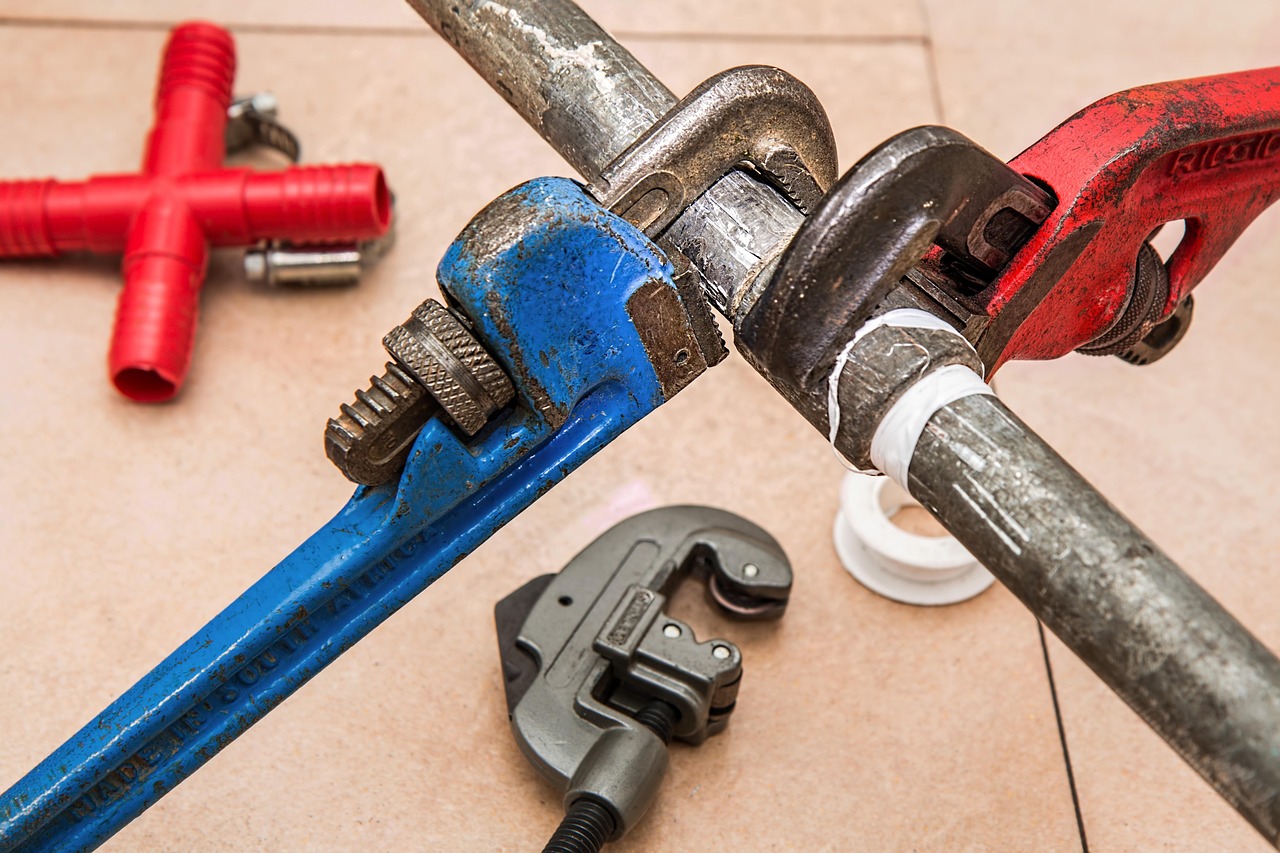
In the dynamic business landscape of Denver, access to clean, reliable water is non-negotiable. However, hard water—a prevalent issue in the region—can wreak havoc on equipment, increase energy costs, and leave behind unsightly scale buildup. This challenges Denver entrepreneurs to find effective solutions for water softening, ensuring optimal operational efficiency and longevity of their facilities' critical systems. This article delves into the world of commercial water softeners, providing an in-depth guide to understanding this essential technology. We explore the benefits of Denver water softener installation, from enhanced equipment performance to cost savings, offering valuable insights tailored to the unique needs of Denver's business community.
- Understanding Denver's Water Quality: Why Softeners Matter
- Types of Water Softeners: Best Options for Businesses in Denver
- Denver Water Softener Installation: Step-by-Step Guide for Entrepreneurs
Understanding Denver's Water Quality: Why Softeners Matter
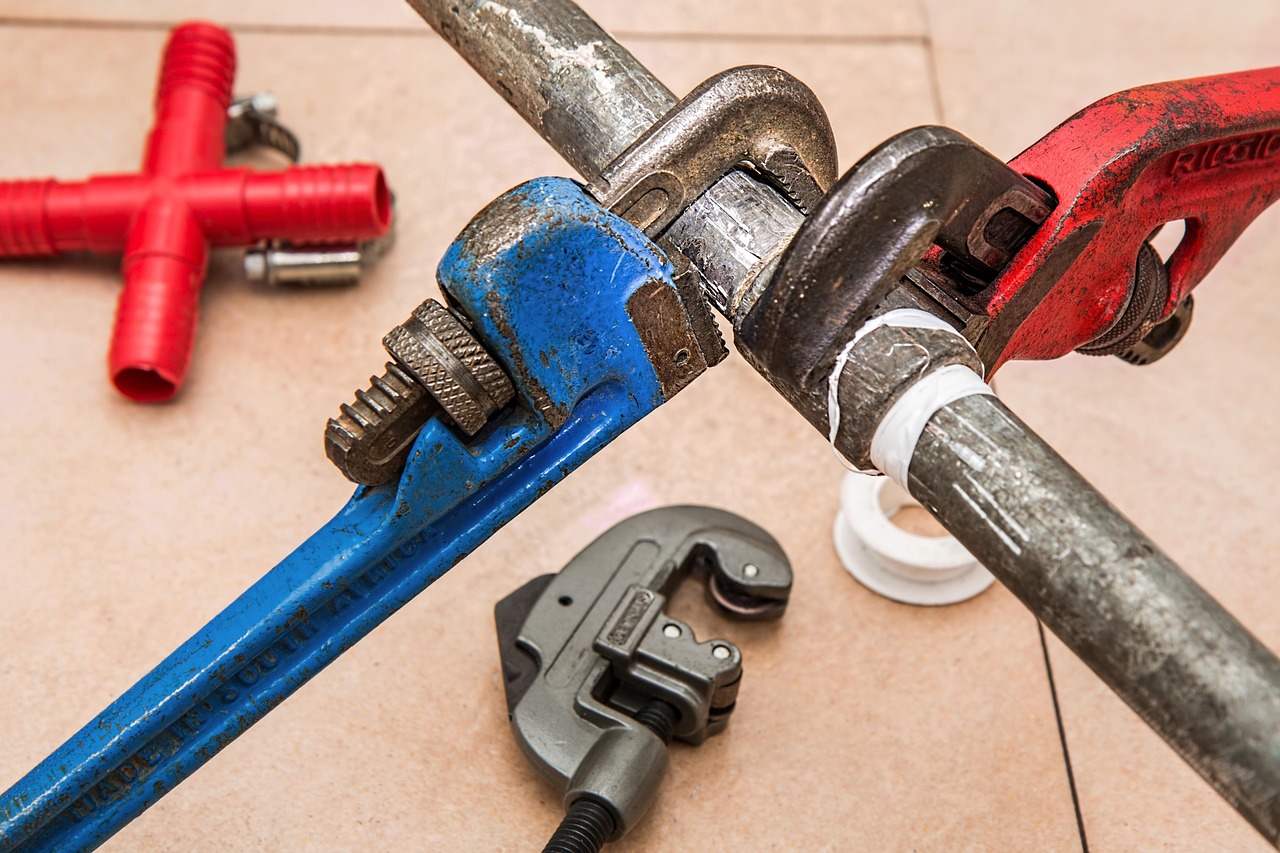
Denver's water quality is a significant concern for local businesses, often requiring specialized solutions like water softeners to ensure optimal operations and customer satisfaction. The city's unique geological features contribute to varying water conditions, presenting challenges for industrial and commercial entities alike. Hard water, characterized by high mineral content, is a prevalent issue in the Denver metro area. This can lead to numerous problems, from scaled-up equipment and reduced product quality to increased energy costs and inefficient water usage.
Softening water is not just a luxury; it's a necessity for Denver's businesses, particularly those in manufacturing, hospitality, and food service industries. A Denver water softener installation can effectively mitigate these issues by reducing the impact of minerals, making water safer for various applications. For instance, a hotel chain in the region experienced significant cost savings and improved guest satisfaction after installing a commercial-grade water softener system. This case study highlights the tangible benefits that businesses can gain from addressing water quality concerns.
When considering a water softener, Denver entrepreneurs have several options, from salt-based ion exchange systems to more advanced, maintenance-free alternatives. Same-day water softener installation in Denver, CO, is a feasible option for urgent needs, while a cost estimate for denver water softener installation typically considers system size, water usage, and the complexity of the setup. Regular maintenance and troubleshooting are essential, especially with common issues like hard water buildup or salt depletion. Prompt action on these problems ensures optimal system performance, so businesses should be prepared to address these minor inconveniences to maintain their water softener's longevity.
Types of Water Softeners: Best Options for Businesses in Denver
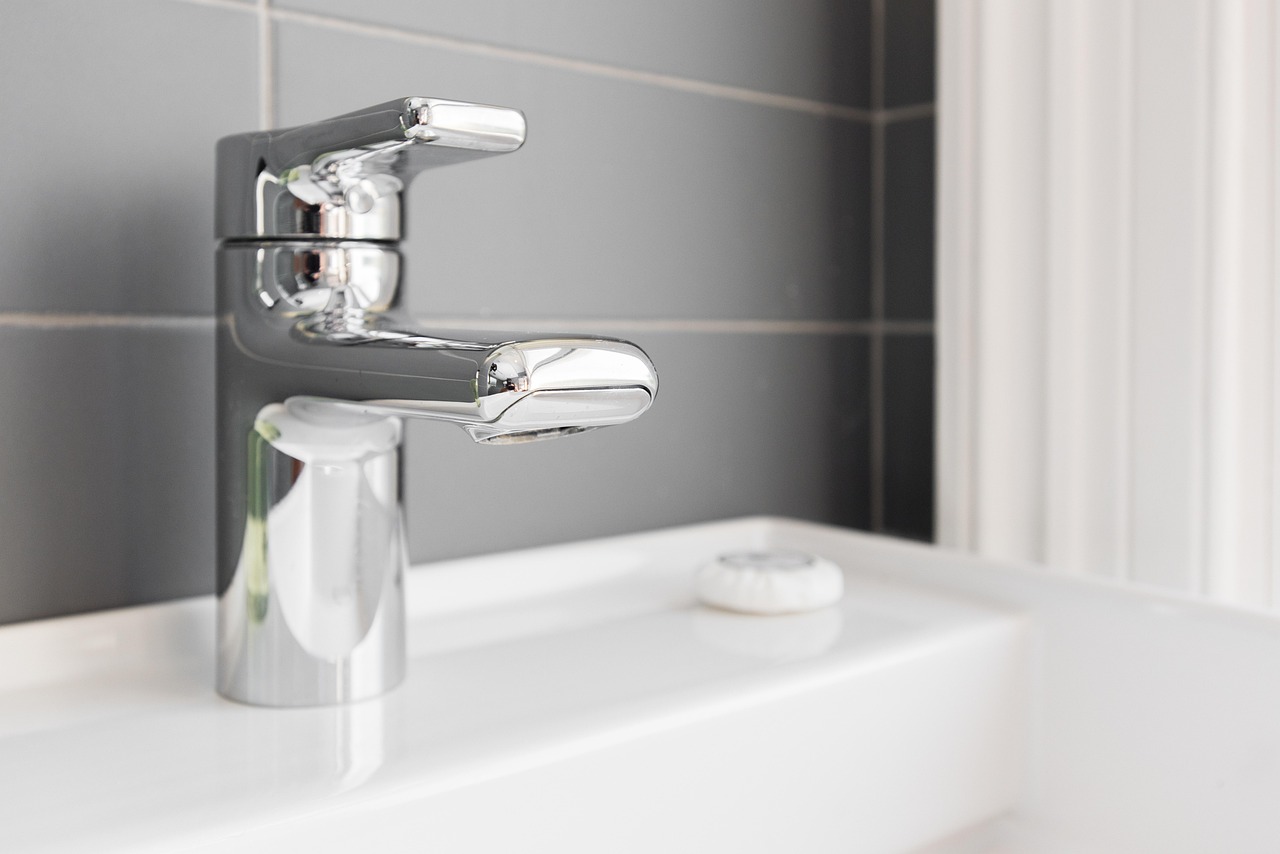
In Denver, where water hardness levels can vary significantly depending on the source, choosing the right water softener is essential for businesses aiming to maintain high standards and reduce costs associated with hard water. There are several types of water softeners available, each with unique features and benefits tailored to different needs. For Denver entrepreneurs, understanding these options is crucial to make an informed decision regarding denver water softener installation.
One popular choice is salt-based ion exchange water softeners. These systems use a bed of resin beads that attract and trap hard minerals like calcium and magnesium. As water passes through the resin, these minerals are exchanged for softer ones, resulting in purified water. Salt-based softeners are known for their effectiveness and affordability, making them an attractive option for many businesses. For instance, according to a study by the Water Quality Association, salt-based systems can reduce total dissolved solids by up to 90%, significantly improving water quality. Moreover, with proper care, these units can last for decades, offering a cost-effective denver water softener solution for larger facilities.
Another advanced option is whole-house water softener systems. As the name suggests, these are designed to treat all incoming water, ensuring every faucet and appliance receives softened water. Installation tips for Denver businesses include selecting a system with sufficient capacity to handle high water usage and regular maintenance to ensure optimal performance. Whole-house softeners can be particularly beneficial for establishments with large facilities or multiple occupants, as they consistently deliver clean, soft water without the need for individual unit setups in each room. This not only saves time and labor but also offers a consistent level of water quality throughout the building.
Denver Water Softener Installation: Step-by-Step Guide for Entrepreneurs
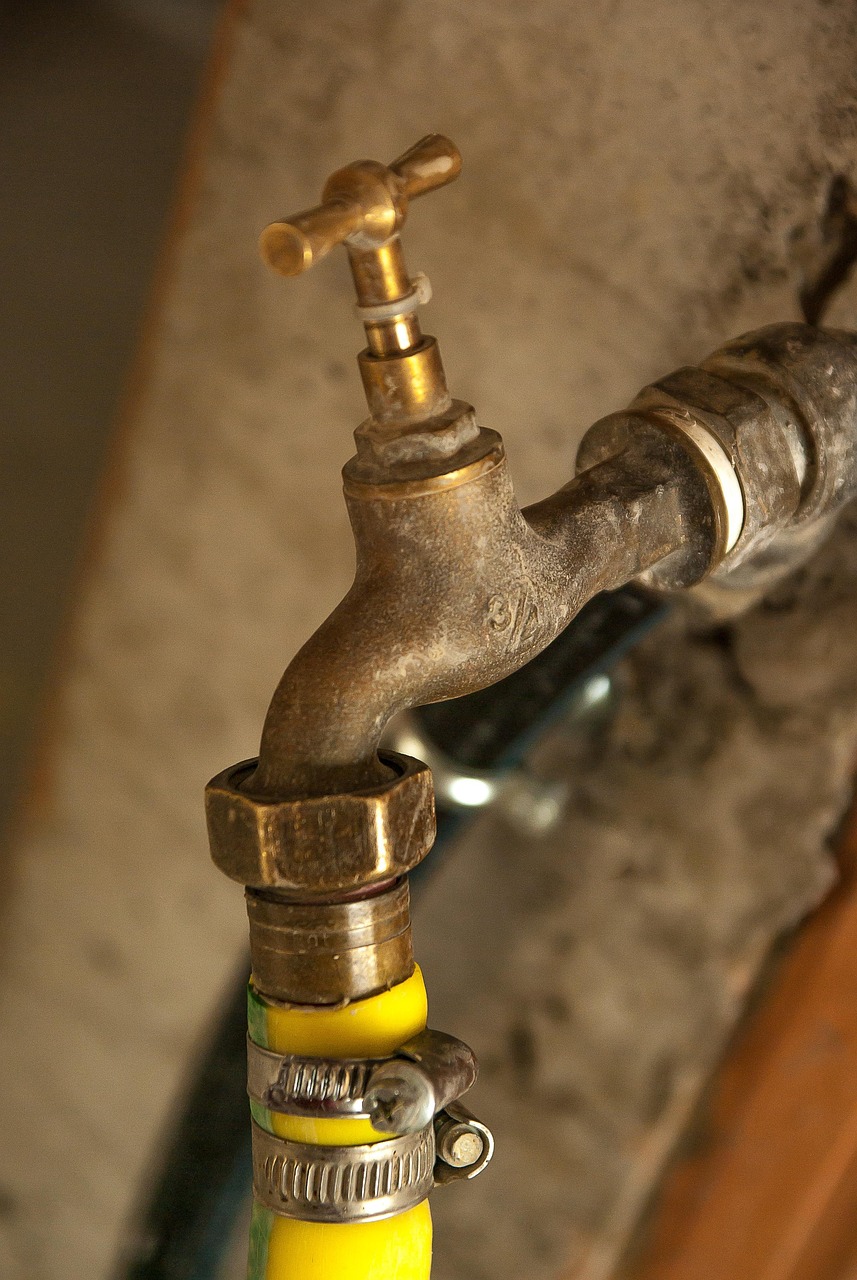
Denver entrepreneurs looking to enhance their business operations with a reliable water softening solution face a unique challenge: selecting the right system for their needs while navigating Denver's specific water conditions. This step-by-step guide delves into the process of installing a water softener in Denver, offering practical insights and expert advice. First, assess your water quality by testing for minerals like calcium and magnesium, which are primary contributors to hard water. Denver's diverse geographic areas result in varying mineral content, influencing the type of water softener most suitable for your establishment.
For instance, ion exchange resins, a common water softener technology, effectively reduce mineral levels but require regular replacement. In contrast, magnetical or electrostatic softening offers eco-friendly alternatives with minimal maintenance. Choosing an eco-friendly water softener in Denver aligns with sustainability goals and local regulations promoting water conservation. Once the optimal system is selected, installation involves connecting the unit to your existing plumbing. Ensure proper drainage and positioning for efficient operation. Professional installers in Denver can guide through this process, ensuring code compliance and optimal performance.
Troubleshooting common issues post-installation is crucial. For example, if your business experiences spotty water pressure, check for leaks or clogged filters. Regular maintenance, including periodic cleaning and resin regeneration, ensures peak performance. Renters in Denver also have options with portable or tankless water softeners, providing convenience without permanent installations. These alternatives are ideal for businesses facing lease restrictions or looking to avoid long-term commitments. Understanding Denver water softener installation, its benefits, and available eco-friendly solutions equips entrepreneurs to make informed decisions for their operations' longevity and sustainability.
For Denver entrepreneurs looking to optimize their business operations and enhance customer satisfaction, investing in a water softener is a strategic decision with far-reaching benefits. By understanding the unique water quality challenges presented by Denver's local demographics, businesses can ensure a consistent supply of clean, soft water—a critical component for everything from efficient machinery to satisfied patrons. This article has comprehensively explored the various types of water softeners available, empowering Denver business owners to choose the best solution for their specific needs. Furthermore, the step-by-step guide to denver water softener installation ensures a smooth and successful implementation process, allowing entrepreneurs to focus on growing their ventures while enjoying the advantages of improved water quality. With this authoritative guide, businesses in Denver are now equipped to make informed decisions and reap the rewards of clean, softened water.
Denver businesses face unique water quality challenges due to the city's geological features, with hard water a prevalent issue. Effective solutions include Denver water softener installation, which mitigates problems like equipment scaling, reduced product quality, and inefficient water usage. Options range from salt-based ion exchange systems (affordable and effective) to whole-house water softeners (for large facilities). Installation involves testing water quality, choosing the right system, connecting it to plumbing, and regular maintenance. Eco-friendly alternatives are available, aligning with sustainability goals. Properly installed and maintained water softeners ensure water safety, cost savings, and improved business operations in Denver.