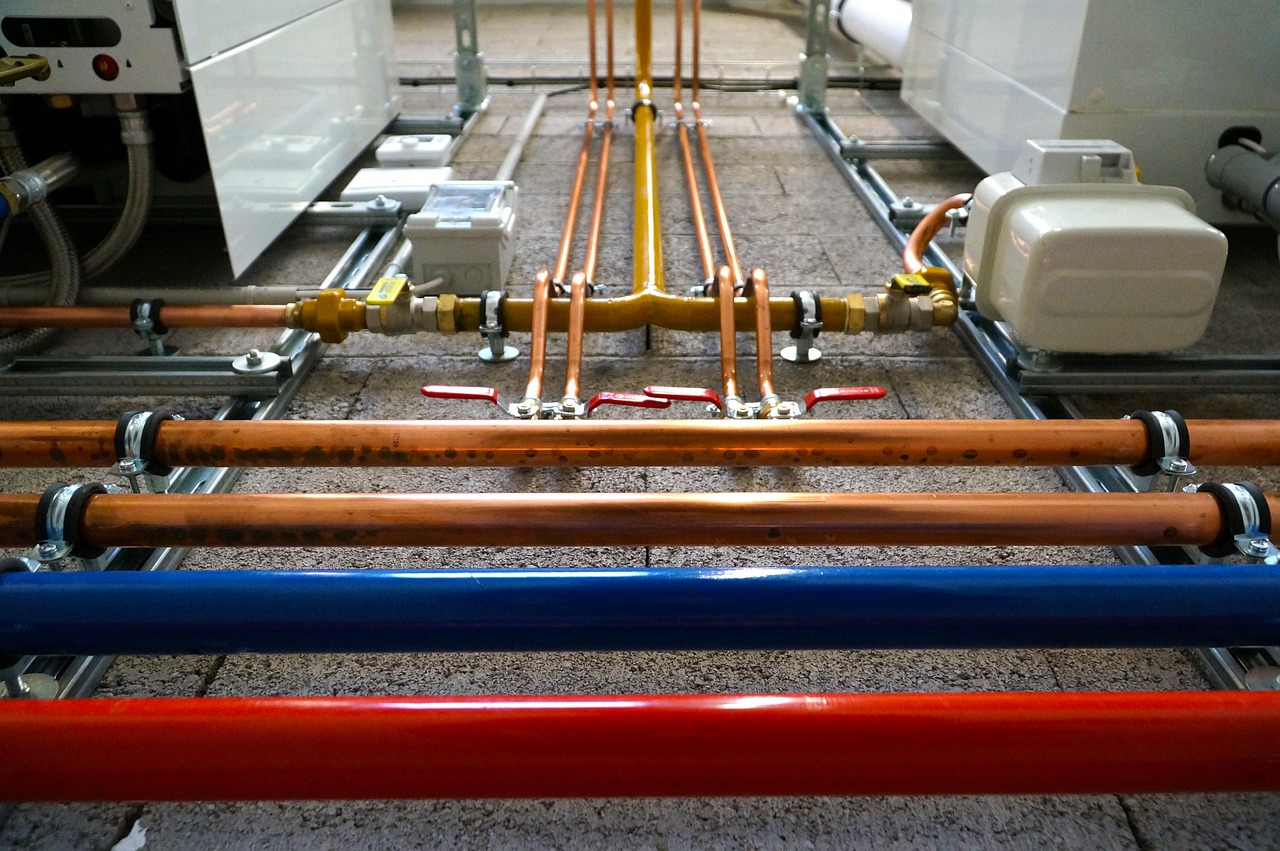
Denver's water supply presents unique challenges due to mineral content, making the choice between a water softener or filter a critical decision for homeowners. Both options offer solutions to improve water quality but cater to different needs. This article delves into the intricacies of each system, examining their effectiveness in treating Denver's water. We'll explore how water softeners, with their ability to reduce hardness and scale buildup, differ from filters, which primarily remove contaminants. Understanding these distinctions is key to making an informed decision regarding optimal Denver water softener installation for your home.
- Understanding Denver's Water Quality: A Basis for Comparison
- Water Softeners vs. Filters: Benefits and Installation Considerations for Denver
- Choosing the Optimal Solution: Denver Water Softener Installation Guide
Understanding Denver's Water Quality: A Basis for Comparison
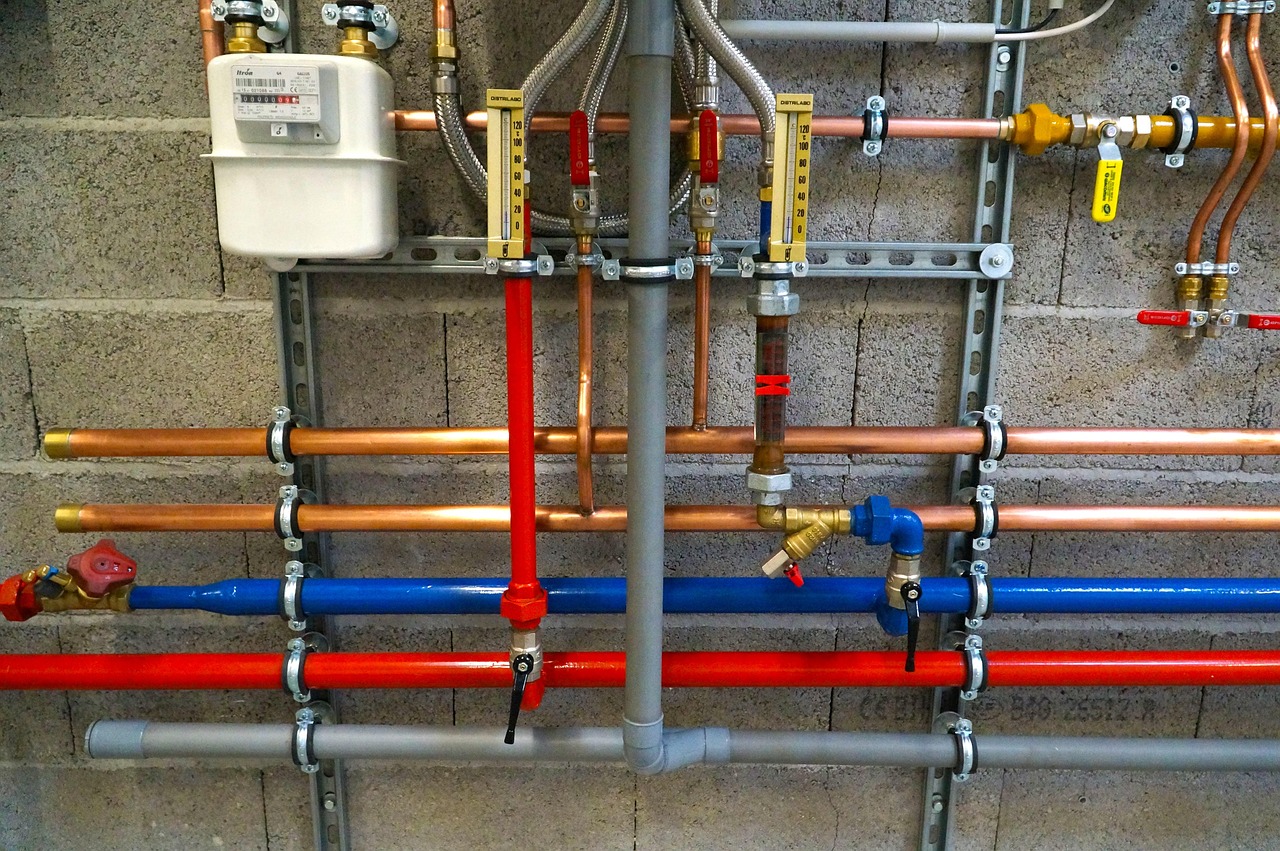
Denver's water quality has long been a topic of discussion among residents and experts alike. With varying levels of minerals and contaminants, understanding the specific needs of Denver's water is crucial when deciding between a water softener or filter. The city's unique geographical location brings both advantages and challenges to its water supply. For instance, while the Rocky Mountains provide a natural barrier, they also contribute to mineral-rich water, leading to higher hardness levels. This is where the discussion between water softeners and filters becomes pertinent.
Water softeners are particularly effective in addressing hard water issues, a common problem in Denver. These systems use various methods, including ion exchange, to reduce mineral content, especially calcium and magnesium. Denver's best salt-free water softeners offer an eco-friendly and efficient solution for softening water without relying on traditional salt-based systems. By removing these minerals, water softeners can significantly improve the feel and taste of water while also extending the lifespan of plumbing and appliances. For instance, a study by the Colorado Water Quality Control Commission revealed that areas with higher mineral content in their water often experienced less buildup in pipes and water heaters when using water softeners.
On the other hand, filters play a vital role in removing specific contaminants. Denver's water supply might contain particles, chlorine, or even volatile organic compounds (VOCs) due to various sources like agriculture and urban development. Affordable Denver water softener options are available for those primarily concerned with softening hard water. However, top-rated water softeners in Denver, Colorado, often double as advanced filters, providing a two-pronged approach. High-quality, multi-stage filters can effectively remove these contaminants, ensuring cleaner and safer drinking water. According to the Environmental Protection Agency (EPA), proper filtration can reduce up to 99% of certain harmful substances, making filtered water a preferred choice for many Denver residents.
Water Softeners vs. Filters: Benefits and Installation Considerations for Denver
Denver's unique water conditions present specific challenges for homeowners looking to improve their water quality. When considering a solution, understanding the differences between water softeners and filters is crucial. Both offer benefits in addressing hard water issues prevalent in the region, but they operate on distinct principles. Water softeners use ion exchange resins to replace harsh minerals like calcium and magnesium with softer ones, effectively reducing scale buildup and improving water feel. On the other hand, filters remove contaminants such as sediment, bacteria, and chemicals through various media like carbon or ceramic.
Choosing between a Denver water softener installation and filtering systems involves evaluating your specific needs and preferences. Softeners are ideal for severe hard water cases, offering long-term solutions to mineral buildup in plumbing and appliances. However, they may not effectively address all chemical contaminants. Filters, particularly whole-house systems, provide a broader range of protection by targeting bacteria, volatile organic compounds (VOCs), and other chemicals. Reading customer reviews of Denver water softener companies can offer valuable insights into performance, reliability, and after-sales service.
Proper maintenance is key to ensuring optimal performance from any system. For cold weather in Denver, regular flushing and cleaning are essential for both types. Water softeners may require more attention to prevent salt buildup and resin fouling, while filters need periodic backwashing or replacement media. Troubleshooting common water softener problems in Denver can be streamlined by understanding these systems' functionalities. Many issues stem from improper setup, lack of maintenance, or incorrect usage, which can usually be resolved with simple adjustments or parts replacements.
Choosing the Optimal Solution: Denver Water Softener Installation Guide
When it comes to improving water quality for Denver residents, the choice between a water softener or filter is an important decision. Both systems offer distinct advantages in treating hard water, but understanding their unique capabilities and limitations is crucial. This guide focuses on helping Denver homeowners navigate the process of selecting and installing the optimal solution for their needs, ensuring clean and safe water for years to come.
Water softeners are renowned for their ability to reduce water hardness by removing minerals like calcium and magnesium through a process called ion exchange. This method effectively eliminates scale buildup in pipes and appliances, extending the lifespan of your plumbing and home appliances. For Denver areas known for their hard water, a water softener can be a game-changer. Licensed Denver water softener experts recommend assessing your specific grain size requirements based on your home's water usage and the hardness level. Typically, higher grain sizes provide better capacity but may require more frequent regeneration, impacting operating costs. Customer reviews highlight the convenience of modern systems that offer customizable settings for optimal performance tailored to individual needs.
While water filters don't eliminate hard water minerals as comprehensively as softeners, they are highly effective at removing contaminants such as bacteria, sediment, and chemicals. Denver's diverse water sources might introduce unwanted elements, prompting homeowners to consider filters. The choice of filter media, like carbon or ceramic, depends on the specific impurities present in your water. A licensed Denver water softener expert can guide you in selecting the right type based on local water conditions. Installing a high-quality filtration system is a cost-effective way to ensure cleaner water without altering its mineral content.
Ultimately, the decision between a water softener and filter depends on individual preferences and priorities. Some Denver homeowners opt for a dual-system approach, combining the benefits of both technologies for comprehensive water treatment. Regular maintenance, including timely cleaning or replacement of filters and softener media, is essential to ensure these systems continue providing optimal performance. By carefully considering your options and seeking advice from licensed professionals, you can make an informed choice, leading to healthier water and a more comfortable living environment in Denver's unique water conditions.
After a comprehensive analysis of Denver's water quality and various treatment options, it is clear that both water softeners and filters serve critical roles in ensuring clean and safe drinking water. For Denver residents, the choice between the two depends on specific needs and water composition. Water softeners effectively remove minerals like calcium and magnesium, addressing hard water issues while also reducing scale buildup. Filters, on the other hand, target contaminants such as bacteria, sediment, and chemicals, enhancing overall water quality. When deciding, consider factors like water hardness levels, presence of contaminants, and desired outcomes. A well-planned denver water softener installation can significantly improve water quality, ensuring a healthier and more enjoyable experience for all users. This article has provided essential insights to guide Denverites in making an informed decision tailored to their unique circumstances.
Denver's water quality requires tailored solutions. Water softeners address hard water by removing minerals through ion exchange, while filters target specific contaminants like bacteria and chemicals. Choosing between them depends on needs: softeners for severe hard water, filters for broader chemical removal. Installation tips include assessing grain sizes, selecting filter media based on local impurities, and regular maintenance. Combining both systems offers comprehensive water treatment. Seek licensed experts for Denver water softener installation and guidance to ensure clean, safe water.
References
- Home | Denver Water — www.denverwater.org
- Welcome to E-permits - City and County of Denver — www.denvergov.org