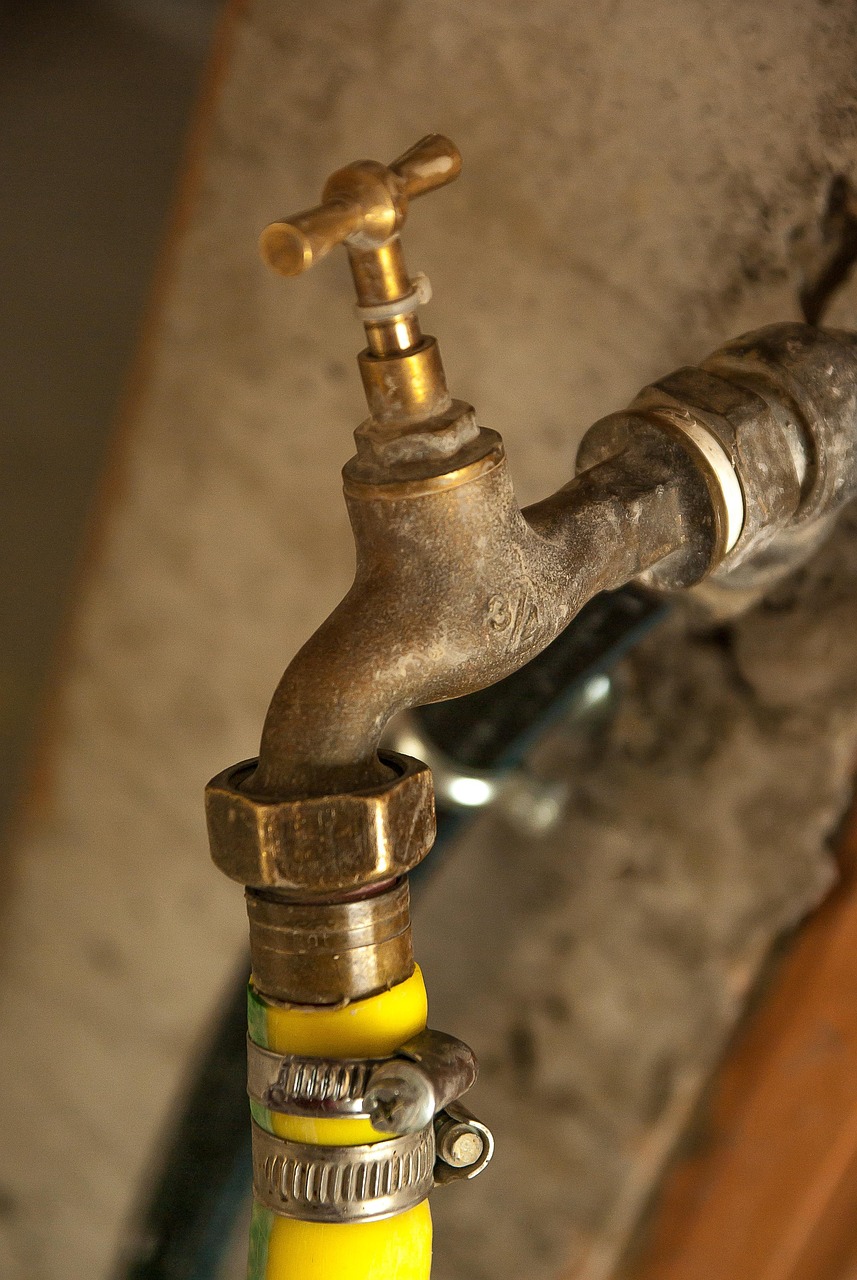
In Denver, where water hardness is a significant concern, denver water softener installation services have become essential for maintaining healthy homes and appliances. Hard water, characterized by high mineral content, can lead to various issues, from spotty dishes and scale buildup on fixtures to reduced water pressure and shortened lifespan of home appliances. This article explores why investing in a water softener is one of the best decisions Denver homeowners can make to improve their quality of life.
Understanding Water Hardness in Denver
What is Water Hardness?
Water hardness refers to the presence of dissolved minerals, primarily calcium and magnesium, in water. These minerals give hard water its characteristic scale-forming properties. In Denver, the water supply tends to be particularly hard due to the region’s geological makeup.
Impact on Denver Homes and Residents
The effects of hard water are far-reaching:
- Appliance Damage: Hard water can shorten the life of water heaters, dishwashers, washing machines, and other appliances, leading to costly repairs or replacements.
- Spotty Dishes and Clothing: Even with regular cleaning, dishes and clothing often come out of the wash with stains due to mineral buildup.
- Dry, Itchy Skin: Hard water can strip natural oils from skin and hair, causing dryness and itchiness.
- Poor Water Pressure: As scale builds up in pipes, water pressure decreases, resulting in weak shower flows and inefficient irrigation for gardens.
Benefits of Installing a Denver Water Softener
1. Improved Health and Hygiene
A water softener significantly reduces the levels of calcium and magnesium in water, making it gentler on the skin and hair. This is especially beneficial for individuals with sensitive skin or those who spend a lot of time outdoors. By softening the water, you’ll notice:
- Faster Shampooing: Say goodbye to the struggle of getting shampoo out of your hair, thanks to softened water’s ability to lather more effectively.
- Softer Skin: Skin dryness and itchiness caused by hard water can be a thing of the past, allowing you to enjoy healthier, softer skin.
- Better Bathing Experience: Soaps and shampoos work better in soft water, providing a cleaner and more refreshing bathing experience.
2. Extended Lifespan of Home Appliances
One of the most compelling reasons to install a Denver water softener is the protection it offers to your home’s appliances. Hard water can cause:
- Scale Buildup: Minerals in hard water form scale inside water heaters, boilers, and other heating elements, reducing their efficiency and lifespan.
- Clogged Pipes: Over time, scale buildup in pipes can lead to clogs, requiring expensive plumbing repairs or replacements.
- Reduced Performance: Appliances like dishwashers and washing machines may not clean as effectively when hard water is involved, leading to poor performance and shorter lifespans.
A water softener addresses these issues by removing the minerals responsible for scale formation, thus:
- Preventing Clogging: Softened water flows smoothly through pipes and appliances, reducing the risk of clogs and associated damages.
- Extending Appliance Lifespan: By protecting your appliances from hard water, a water softener can help them last longer, saving you money in the long run.
3. Cost Savings
While the initial investment in a Denver water softener installation service may seem significant, the long-term cost savings are substantial. Here’s how:
- Reduced Appliance Repairs: By protecting your appliances from hard water damage, you’ll need fewer repairs and replacements, lowering maintenance costs.
- Lower Water Heating Bills: Softened water heats up faster because it doesn’t contain dissolved minerals that can insulate the water inside heating elements. This leads to lower energy bills.
- Inefficient Irrigation Systems: Hard water contributes to poor garden irrigation due to mineral buildup in pipes and nozzles. A water softener ensures your plants receive clean, soft water, promoting healthier growth and reducing watering costs.
Types of Water Softeners and Installation Options
Salt-Based Water Softening
The most common type of water softener uses salt to exchange calcium and magnesium ions in hard water with sodium ions. This process, known as ion exchange, effectively reduces water hardness:
- How it Works: The salt solution (brine) is flushed through a resin bed inside the water softener, which swaps out the minerals. As water flows over the resin, the minerals are removed, and clean, soft water emerges.
- Benefits: Salt-based systems are cost-effective and reliable. They require regular maintenance, typically involving changing the salt packets and backwashing the resin bed.
Potable Water Softeners vs. Whole House Systems
When considering denver water softener installation, homeowners have two main options:
- Potable Water Softeners: These systems treat only the water intended for drinking and cooking. They are typically installed under the sink or as a standalone unit. While effective for improving taste and quality, they don’t soften all the water in your home.
- Whole House Water Softeners: As the name suggests, these systems treat all the water entering your house, ensuring every faucet, showerhead, and appliance benefits from softened water. Whole house systems are ideal for families with young children or those who want to maximize health and cost savings.
Choosing a Licensed Denver Water Softener Expert
Why Professional Installation Matters
While it might seem tempting to install a water softener yourself, especially for portable units, professional installation services in Denver offer several advantages:
- Expertise: Licensed installers have the knowledge and experience to properly size and install your water softener, ensuring optimal performance.
- Warranty Support: Many manufacturers require professional installation for valid warranties, providing peace of mind and potential cost savings if repairs are needed.
- Safety: Installing a water softener involves working with plumbing and electrical systems. Professionals prioritize safety, using the right tools and following code requirements to avoid accidents or damage.
What to Look for in a Denver Water Softener Installer
When selecting a local installer, consider these factors:
- Licensing and Insurance: Ensure they are licensed by the state of Colorado and carry appropriate insurance coverage.
- Experience: Choose installers with a proven track record in your area, indicating their familiarity with local conditions and water quality issues.
- Customer Reviews: Read reviews from previous clients to gauge their satisfaction with the installation process and the performance of the system afterward.
- After-Sales Support: Reputable installers offer ongoing support, including regular maintenance checks and quick response times for repairs or emergencies.
Emergency Same-Day Denver Water Softener Repair
When Service is a Must
In some cases, your water softener may malfunction, requiring immediate attention to restore access to clean water. Fortunately, licensed Denver water softener experts offer same-day emergency repair services:
- Common Issues: Leaks, unusual noises, poor water pressure, or the system not turning on are signs of trouble.
- Quick Response: Many local installers have spare parts and experienced technicians ready to respond promptly to emergencies, minimizing disruptions.
- Long-Term Solutions: Same-day repairs can prevent temporary inconveniences from escalating into long-term problems, ensuring your water softener continues to serve your home effectively.
Frequently Asked Questions (FAQs)
How often do I need to replace the salt in my Denver water softener?
The frequency of salt replacement depends on several factors, including water usage and local water hardness levels. As a general rule, you should check the brine tank weekly during the first few months after installation and then about once a month afterward. Replenish the salt as needed, typically every 2-4 weeks, to ensure optimal performance.
Can a water softener remove all hard water minerals?
While water softeners are highly effective at reducing water hardness, they cannot completely eliminate all minerals. They primarily focus on removing calcium and magnesium, the primary contributors to water hardness. However, softened water is significantly gentler on skin, hair, and appliances compared to hard water.
Does installing a water softener increase my water bill?
On the contrary, a water softener can help lower your water bill. By protecting appliances from hard water damage and improving water heating efficiency, you may see significant savings over time. Additionally, some utility companies offer rebates or incentives for homeowners who install water softening systems, further reducing costs.
How do I know if a water softener is right for my Denver home?
If you’re experiencing issues with hard water, such as poor soap lathering, spotty dishes, low water pressure, or damage to appliances, a water softener is likely a good investment. Local water quality reports and consultations with licensed installers can provide valuable insights into whether a water softener will benefit your specific situation.
Can I install a water softener myself or do I need a professional?
While some portable water softeners can be installed by homeowners, most whole house systems require professional installation due to complexity and code requirements. Licensed Denver water softener experts have the training and tools needed for proper installation, ensuring your system functions optimally and safely.
Conclusion
Investing in a denver water softener installation service is a proactive step towards enhancing your home’s comfort, health, and longevity. With the numerous benefits of softened water, from improved skin and hair health to extended appliance lifespan and reduced utility costs, it’s easy to see why this simple upgrade can make a significant difference in daily life.
By selecting a licensed, experienced installer and maintaining your water softener properly, you’ll ensure clean, safe water for years to come. Whether you choose a potable or whole house system, the peace of mind knowing that hard water is no longer impacting your home and family is invaluable.
References
- 301 Moved Permanently — www.denver.org
- Top Rated Plumbing Contractors for Adams County, CO — www.diamondcertified.org